
Introduction:
Mobility matters at every stage of life. For many seniors stability becomes a concern. A rollator walker offers a smart solution. This device combines support with independence. It is more than a simple walking aid. It provides a place to rest anytime. Rollators empower people to stay active. They reduce the fear of falling. This freedom improves overall quality of life.
What is a Rollator Walker?
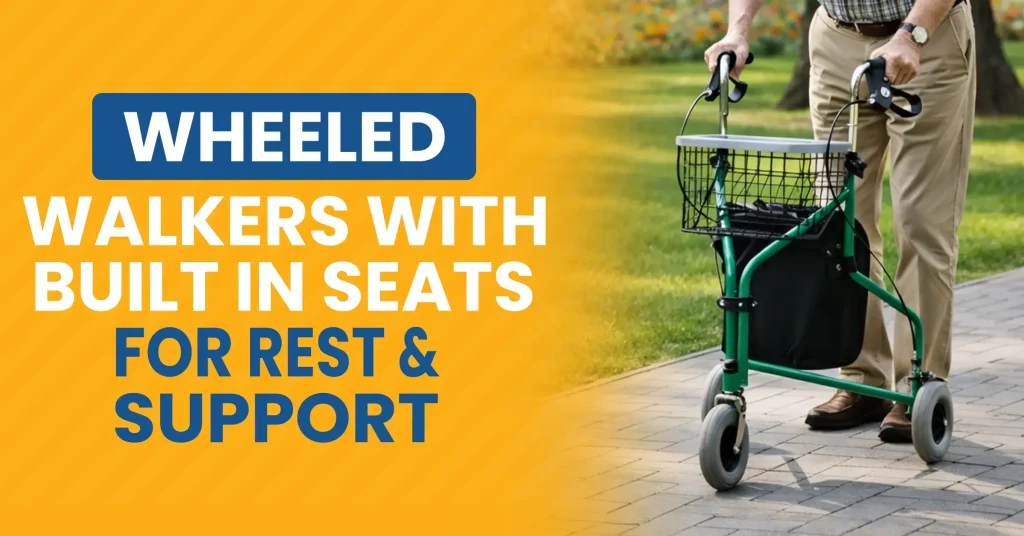
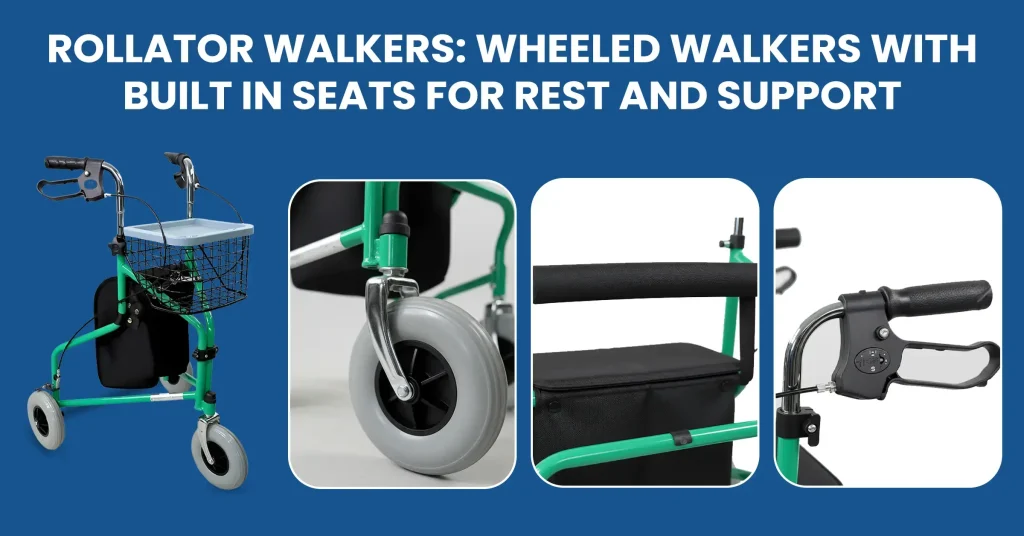
A rollator is a wheeled walker. It typically has three or four wheels. Most models include a built-in seat. Some also have a storage basket. Hand brakes allow users to control speed. These features distinguish it from standard walkers. Standard walkers require lifting with each step. It glide smoothly across surfaces. This motion feels more natural and effortless. The seat offers immediate rest during outings. You can stop and sit whenever needed. This combination supports both mobility and fatigue management.
Key Benefits of Using a Rollator
Rollator walker provide several important advantages. They promote greater independence for seniors. Users can move around with increased confidence. The built-in seat is a significant benefit. It allows sitting during long shopping trips. It also helps at events or while waiting. Many models include a storage pouch. This space carries personal items safely. You can bring water medication or groceries. The wheels make movement fluid and easy. There is no need to lift the frame. This reduces strain on the arms and back. Brakes ensure safety on various terrains. Overall rollators support an active lifestyle.
Choosing the Best Walker for Seniors
Selecting the right model requires thought. Consider the user’s specific daily needs. Indoor use may suit a compact design. Outdoor activities need larger sturdy wheels. Seat comfort is another vital factor. Some seats are padded for longer sitting. Others are simpler and more basic. Height adjustment ensures proper posture. The handles should align with the wrists. This position prevents shoulder or back pain. Weight capacity is also important. Check the product specifications carefully. Storage options add convenience. A basket or bag holds essential items. Test the brakes for responsiveness and ease. Good brakes are crucial for safety.
Medical Walker or Everyday Support?
Rollators serve various medical purposes. They aid recovery after surgery or injury. They help individuals with balance issues. People with fatigue conditions benefit too. Arthritis patients find rollators reduce joint stress. These devices are not only for medical use. Many active seniors use them for stability. They provide support during long walks. They offer rest during outdoor activities. The goal is maintaining movement safely. A rollator walker with seat adds security. It prevents exhaustion and promotes activity.
Essential Features of a Rollator Walker
| Feature | Why It Matters | Best For |
| Adjustable Height | Customizes the walker to your exact posture. Prevents back strain and ensures support. | All users for a safe and comfortable fit. |
| Ergonomic Handles | Reduces hand and wrist fatigue. Provides a secure, non-slip grip for better control. | Users with arthritis or long-term use. |
| Lightweight Frame | Makes the walker easier to maneuver and lift. Simplifies placing it into a car. | Users who travel or need to transport it. |
| Pneumatic (Air-Filled) Wheels | Absorb shock and bumps for a smoother ride. Offers better traction on uneven ground. | Outdoor use on grass or pavement. |
| Solid (Polyurethane) Wheels | Never go flat and require no maintenance. Provide a quiet, smooth roll on hard surfaces. | Primarily indoor use on floors and carpets. |
| Locking Brake System | Ensures safety while sitting and standing. Provide stability. | Important safety for all users when resting. |
| Folding Design | Collapses for compact storage and easy transport. Saves space in cars and at home. | Users with limited storage. Also for travelers. |
How to Use a Rollator Walker Safely
Proper use maximizes benefits and safety. Adjust the height to the correct level. Your elbows should bend slightly while standing. Practice using the brakes before going out. Always lock the brakes before sitting down. Use the seat only when the walker is stationary. Look forward while walking not down at your feet. Maintain a comfortable speed while moving. Avoid uneven surfaces whenever possible. Check the walker regularly for wear. Inflate tires if they become soft. Tighten any loose parts immediately. Replace worn brakes or tires promptly.
Rollators and Active Aging
Staying active is key to healthy aging. Rollator walkers encourage regular movement. They provide the support needed to stay engaged. Users can participate in social activities. They can enjoy parks markets and family events. This engagement fights isolation and depression. The built-in seat manages energy levels. It allows pacing throughout the day. Independence grows with reliable support. Seniors feel confident managing daily tasks. This confidence improves mental and physical health.
Finding the Right Rollator walker
Choosing the best model involves considering your lifestyle. Follow these steps to find your perfect match:
- Identify Your Needs: Will you use it mostly indoors or outdoors? This determines the best wheel type.
- List Your Daily Activities: Consider your typical routine. Do you shop, walk outdoors, or mostly stay at home?
- Assess Your Storage Needs: Determine if you need convenient features. Like, a basket, a small pouch, or just a seat.
- Test Models If Possible: Feel the handle grips for comfort. Check the seat padding. Practice folding it.
- Read User Reviews: Learn from the experiences of others. They highlight genuine pros and cons.
- Consult a Healthcare Professional: Get expert advice. It will help you to know your specific health needs and mobility goals.
Conclusion
Rollator walkers are effective mobility solutions for independence. They blend mobility aid with practical rest. The right model supports an active lifestyle. It reduces fall risk and increases confidence. Choosing requires attention to individual needs. Proper use ensures safety and longevity. Ultimately rollators offer freedom and support. They help seniors navigate life with assurance.
People Also Ask
Q: Where to buy a rollator?
A: Check medical stores or large pharmacies.
Q: What is a good walker price?
A: Expect to pay $80 to $200.
Q: Can I find one nearby?
A: Search “rollator walker nearby” online.
Q: Are cheap rollators safe?
A: Yes if they meet safety standards.
Q: Do stores help choose one?
A: Yes, staff can advise on features.
Q: Can I order online?
A: Yes, many websites sell them.
Q: What features increase cost?
A: Large wheels and extra storage.