
Monitoring your blood pressure is an act of care. It shows a clear view of cardiovascular health. Yet an inaccurate reading creates false reassurance or unnecessary alarm. Consistent, precise measurements are truly vital. This guide helps you master your BP monitor. You will learn to trust the numbers it shows. Let us build confidence in your home monitoring routine.
Why Accurate BP Readings Matter
Your blood pressure data guides critical health decisions. Doctors use it to prescribe or adjust medication. It reveals how well your lifestyle changes work. Inaccurate readings sabotage this essential process. They create a flawed picture of your heart’s effort.
How Wrong Readings Affect Health Decisions
A falsely high reading may cause undue stress. This could result in stronger medication than you need. A falsely low reading hides genuine risk. It delays necessary treatment adjustments. Both errors prevent proper management of your health. Your actions rely on this data’s truth.
Common Causes of Inaccurate Results
Many factors disrupt a BP monitor’s accuracy. An incorrect cuff size is a primary culprit. A cuff too large gives a falsely low reading. One too small inflates the number significantly. Your body position and arm placement matter greatly. Talking or moving during measurement introduces error. Even a full bladder can elevate your reading.
- Using the wrong cuff size for your arm.
- Measuring over clothing instead of bare skin.
- Sitting with legs crossed or back unsupported.
- Checking pressure immediately after eating or exercise.
- Using a wrist monitor incorrectly angled at heart level.
Preparing Before You Measure Your BP
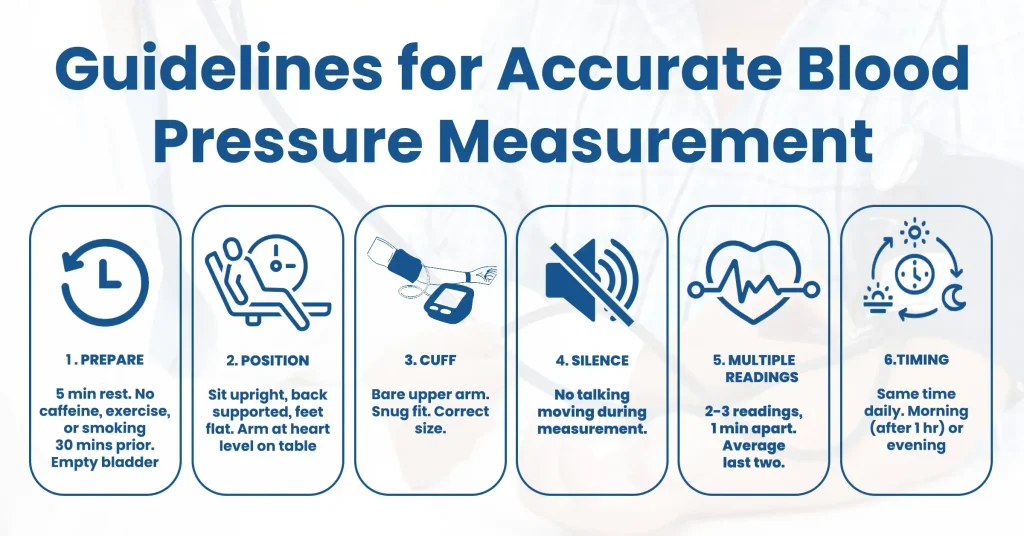
Preparation sets the stage for a true reading. Your body and mind need a moment of calm. Avoid rushing into measurement. Dedicate five quiet minutes to this process.
Best Time to Check Blood Pressure
Consistency in timing is an important factor. Measure at the same time each day. Morning is often ideal before medication or coffee. Your body is typically rested and calm. Evening checks can also be informative. Track both for a complete daily picture. Always wait an hour after waking for morning readings.
What to Avoid Before Taking a Reading
Your recent activities directly influence the result. Avoid certain things for at least 30 minutes before. This includes smoking, caffeine, and intense exercise. Do not measure when stressed or anxious. Empty your bladder before you begin.
Getting Consistent Readings Every Time
Technique is everything for reliable data. Create a calm and consistent ritual. Follow these steps precisely each time.
Why Rest Time Matters
Rest allows your circulatory system to settle. It normalizes your heart rate. Sitting quietly for five minutes is non-negotiable. Stay relaxed and breathe deeply. This simple step dramatically improves accuracy. It separates your reading from recent activity’s influence.
How Many Readings You Should Take
A single reading is often a snapshot, not the full picture. Take two or three readings each session. Separate them by one full minute. This allows your arteries to recover. Discard the first reading if it seems unusually high. Average the last two numbers for your record. This method smooths out minor variations.
- Sit upright with back supported and feet flat.
- Place your arm on a table at heart level.
- Apply the cuff to your bare upper arm snugly.
- Remain still and silent during inflation and deflation.
- Record both numbers and the time of day immediately.
Maintaining Your BP Monitor
Your device needs care to perform correctly. Think of it as a precise medical instrument. Regular maintenance ensures its readings remain trustworthy.
When to Replace or Calibrate Your Device
Home monitors can drift from accuracy over time. Check its calibration every two years. Compare it against a validated device at your doctor’s office. Replace the monitor if readings consistently differ. Also replace it if the screen fades or buttons fail. Newer models often offer improved technology and features.
Keeping the BP Monitor Clean
Protect your device from extreme conditions. Like, humidity, sunlight exposure and direct heat. Never submerge the main unit in water. Check the tubing for cracks every few months. Store everything in clean and dry case.
Conclusion
Accurate blood pressure monitoring promotes health. Proper preparation and technique are fundamental. Suitable timing and routine results in reliable data. Regular maintenance of your device protects its precision. Embrace these practices to transform simple numbers into powerful insight. You deserve complete confidence in your health tracking.
FAQs
Compare its reading with your doctor’s device. Do this during your next appointment.
Morning before food or medication is ideal. Be consistent with your chosen time daily.
Yes. An overly tight cuff will give a falsely high reading.
Wait at least 30 minutes after a meal for an accurate reading.
Upper arm monitors are generally more reliable and recommended.
White coat syndrome or different rest times can cause this variance.
No. Remain completely silent and still during the measurement.
Yes. Significant stress or anxiety can temporarily elevate your reading.
Rest for a minute and take a third. Use the average of the two closest numbers.