
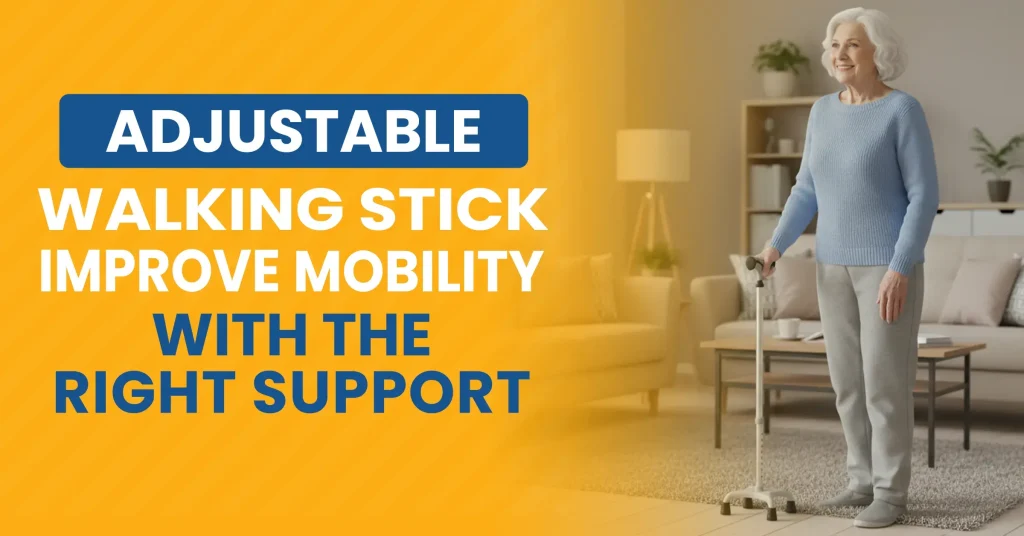
Mobility aids matters when it comes to disability and recovery. It shapes our daily lives. Some people need support. An adjustable walking stick helps greatly. It offers both function and freedom. This tool may seem like a simple aid but it comes in a supportive medical equipment. It provides support and safety. Everyone deserves to move with ease. Finding the right support that improves mobility and makes life easy.
Why Choose an Adjustable Stick?
One size does not fit all because people have different heights. They have different needs. An adjustable walking stick adapts. You can change its height easily. This ensures perfect alignment. Proper height reduces wrist strain. It also improves posture. Comfort is crucial for daily use. Customisation makes a big difference.
These sticks work for many people. They help seniors stay active. They support those recovering from injury. Even hikers use them on trails. Versatility is their main advantage. You can share one stick. Families find this convenient. Adjustment is simple and tool-free. Modern designs are very user-friendly.
Types of Walking Sticks
| Type | Key Features | Ideal For |
| Adjustable | Telescopic or modular design; height can be customized | Everyday use, travel, shared use, those needing precise fit |
| Irish Walking Stick | Often made of polished wood (e.g., blackthorn); decorative handle; traditional craftsmanship | Collectors, casual use, lightweight support, cultural appreciation |
| Blind Stick | Lightweight, long, often collapsible; may feature rolling tip or tactile feedback | Visually impaired individuals; navigation and obstacle detection |
| Collapsible | Folds or telescopes into compact size; portable and convenient | Travel, hiking, storage in bags, occasional use |
| Stick with Seat | Integrated foldable seat; often includes storage pouch; sturdy construction | Outdoor events, long walks, elderly users, those who need frequent rest |
| Wooden Walking Stick | Natural materials (e.g., oak, maple); classic aesthetic; durable but may be heavier | Traditional users, light support, fashion, decorative purposes |
| Ergonomic/Grip-Focused | Contoured handle (e.g., anatomically shaped); reduces wrist strain; often adjustable | Arthritis sufferers, long-term users, those with grip strength issues |
| Quad-Based Cane | Four-footed base; offers enhanced stability; not technically a stick but often grouped | Users with significant balance issues, rehabilitation, uneven terrain |
| Trekking Pole | Lightweight metal (e.g., aluminum); mostly comes in pairs. They’ve shock-absorbing features | Hikers, trail walkers, outdoor enthusiasts |
| Fashion/Decorative | Embellished designs; unique handles (e.g., animal carving, silver detail) | Style-conscious users, light support, sp |
How to Select the Best Walking Stick
Your needs will tell you about choosing the right product. Consider where you will use it and think about your lifestyle. Daily use requires durability. Occasional use allows more choices.
Height adjustment is essential. Your elbow should bend slightly. This ensures comfortable use. Handle shape matters too. Some handles fit the palm well. Others distribute weight differently.
Weight is another factor. Lightweight sticks are easy to lift while heavy sticks may feel more stable. Find a balance that works for you. Material affects weight and strength. Aluminum is light and strong. While wood is classic but heavier.
Grip comfort cannot be ignored. Soft handles prevent blisters. They make walking more pleasant. Rubber tips provide good traction. They grip various surfaces safely.
Proper Usage and Maintenance
Using a walking stick correctly ensures safety and comfort. Proper care extends its life. Follow these simple guidelines.
How to Use Your Stick
- Hold the stick on your stronger side.
- Move it forward with your weaker leg.
- Keep your elbow slightly bent.
- Ensure the stick touches the ground flat.
Check and Adjust Often
- Verify height settings regularly.
- Adjust if you change footwear.
- Confirm all parts feel secure.
- Listen for unusual sounds.
Cleaning and Storage
- Wipe with a damp cloth weekly.
- Dry completely after cleaning.
- Store indoors in a dry place.
- Avoid leaving it in direct sun.
Replace Parts When Needed
- Change worn tips immediately.
- Check the handle for cracks.
- Tighten loose screws often.
- Inspect the shaft for damage.
Using your stick properly supports mobility. Good maintenance keeps it reliable. These steps ensure your safety. They also make the stick last longer.
Walking Sticks for Seniors
Seniors benefit greatly from support. It reduces fall risks significantly. It encourages outdoor activity. Social engagement improves with confidence.
Choose a stable model for seniors. Ergonomic handles reduce joint pain. A comfortable grip is vital. Many prefer adjustable options. They can fine-tune the height.
Safety features are paramount. Reflective strips aid visibility at night. Non-slip tips are essential. Some sticks come with a wrist strap. This prevents dropping the stick.
Walking Sticks for Balance
Balance issues affect many people. A good stick helps. It provides a third point of contact. This increases stability dramatically.
Use it on uneven terrain. It steadies you on slopes. It assists on stairs too. Practice in a safe area first. Build confidence slowly.
Wide base sticks offer more support. They distribute weight over a larger area. These are ideal for poor balance. They are often called offset sticks.
Finding Walking Sticks for Sale
Many stores sell walking sticks. Online retailers offer vast selections. Read customer reviews carefully. They provide real-life insights.
Compare prices and features. Quality should be your priority. Cheap sticks may break easily. So, invest in a reliable product.
Check return policies before buying. Ensure the stick meets your needs. Some companies offer custom options.
Conclusion
An adjustable walking stick empowers you. It restores mobility and independence. Choose the right type for your life. Use it correctly for best results.
Your freedom of movement matters. Support should be personalized and reliable. Embrace the confidence that comes with it. Step forward with assurance and grace.
Move through life on your terms. The right mobility equipment makes all the difference.
Frequently Asked Questions About Walking Sticks
How do I know my walking stick is the right height?
Your walking stick should allow a slight bend in your elbow. When you stand upright, the stick should touch the ground flat beside your foot. This position gives the best support and comfort.
Which side should I use my cane on?
Always use the walking stick on your stronger side. This helps improve balance and reduces pressure on the weaker leg or joint.
Can I adjust my stick for different shoes?
Yes, you should adjust it when changing shoes. Different heel heights affect your posture and balance, so the stick height should match.
How often should I replace the rubber tip?
Replace the rubber tip when it becomes smooth or worn. Old tips can slip easily and increase the risk of falling.
Can I take a collapsible walking stick on an airplane?
Yes, most airlines allow collapsible walking sticks. It’s best to keep it in your carry-on luggage for easy access.
Why does my wooden walking stick make noise?
This usually means a part is loose. Check for any fittings that need tightening and secure them properly.
Can a walking stick help with balance?
Yes, a walking stick adds a steady point of contact with the ground. This greatly improves balance and stability while walking.