
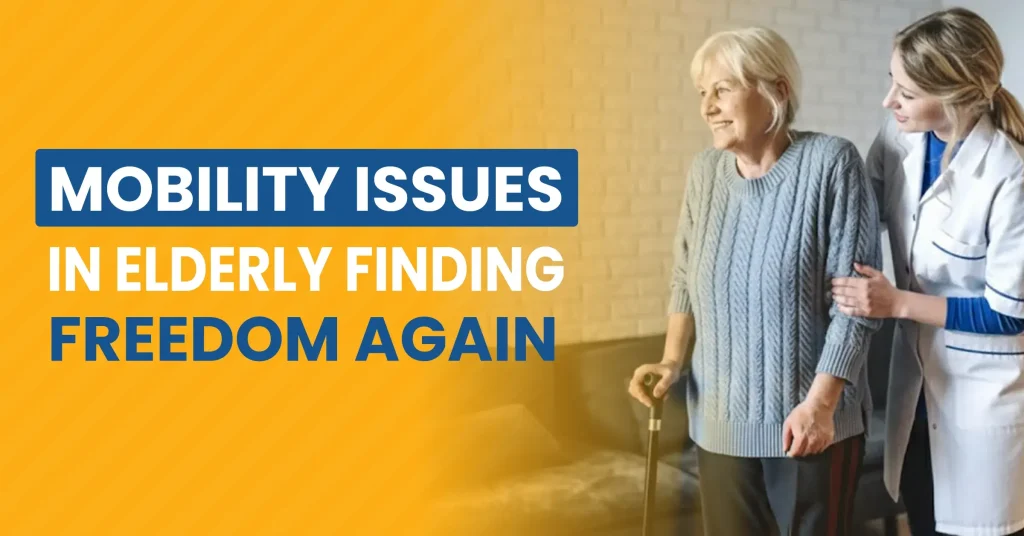
Movement is a quiet promise of independence. For many seniors that promise feels threatened. Mobility issues can arrive slowly or suddenly. They change the rhythm of daily life. But this shift is not an ending. It is a new chapter. With understanding and modern tools you can rewrite it. This guide lights the path forward toward confidence and freedom.
Common Causes of Mobility Decline in Seniors
Mobility change springs from several roots. It is rarely just one thing. Knowing these causes can be helpful in building a better plan.
Age-Related Changes in Muscle, Bone and Balance
Our bodies evolve naturally over decades. Muscle strength may gently fade. Bones can become more delicate. Your sense of balance might feel less reliable. These are typical changes. But they are not unbeatable.
Chronic Health Conditions
Arthritis causes joints pain. Heart or lung disease steals stamina. Osteoporosis makes bones fragile. Diabetes can hurt nerve feelings. These health issues directly shape movement.
The Hidden Hurdle: Fear of Falling
One bad fall leaves a long shadow. The fear of another can become paralyzing. This fear often leads to less activity. Less activity then causes more weakness. It is a cycle that needs gentle breaking.
How Mobility Issues Impact Daily Life and Independence
The effect reaches every corner of life. It is more than just walking slower.
Simple pleasures become difficult tasks. Grocery store rows feel endless. Visiting grandchildren seems tough. Favorite hobbies like gardening slip away. This often leads to social quietness and loneliness. Confidence in oneself drops. The world physically gets smaller. Daily joy requires proper planning.
Practical Steps to Regain Independence
Action reduces frustration. Small consistent steps build new roads to freedom.
Balancing Techniques to Prevent Falls
Balance is a skill you can practice. Improving it prevents falls. Try the heel-to-toe walk like on a straight line. Stand on one leg while holding a chair. These moves build strength and steadiness. Gentle Tai Chi classes are also wonderful. They improve your stability through flowing movement.
Choosing the Right Mobility Aids: Canes Walkers and Wheelchairs
Think of mobility aids as tools for liberation. The right one opens doors.
- Canes offer a steadying touch for minor balance worries.
- Walkers provide solid unwavering support.
- Rollators are walkers with wheels and a seat for rest.
- Transport Wheelchairs are lightweight for family outings.
- Power Scooters restore the joy of outdoor exploration.

Simple Home Tweaks for Safety
Your home should be safest for you.
- Walk with the help of grab bars.
- Remove all loose rugs and floor clutter.
- Keep your house brighter.
- Consider a portable ramp for small door thresholds.
Support System for Long-Term Mobility
You do not have to walk this path alone. A supportive team makes the journey easier.
Start open talks with your doctor. Share every concern about movement. A physical therapist is a vital partner. They craft exercises for strength and safety. Occupational therapists suggest clever daily living fixes. Family and friends want to help. Let them assist with errands or home projects. Local senior centers offer social activities. They fight isolation and build community spirit.
Conclusion
Mobility challenges are normal at this age. But they don’t get to write your story. Embrace smart strategies and modern equipment. Build a circle of support around you. Each small step reclaims your independence. Your journey to confident movement begins with one decision.
FAQ’s
Lighter leg exercises can make movement simple.
Rollators have wheels and a seat standard walkers typically don’t.
Yes but only if strict criteria are met for in-home use.
A quad cane with four points provides wider base of support.
Your doctor can sign the application form via local DMV.
Yes it’s crucial for building safe strength and balance.
Add nightlights and use non-slip flooring.
Some change is common but significant loss can be managed well.
Focus on safety and keeping his independence longer.
Worn tips loose brakes or general instability mean it is time.
It’s a lightweight wheelchair for assisted travel to appointments or outings.
Yes many communities offer volunteer transport or senior fitness classes.