
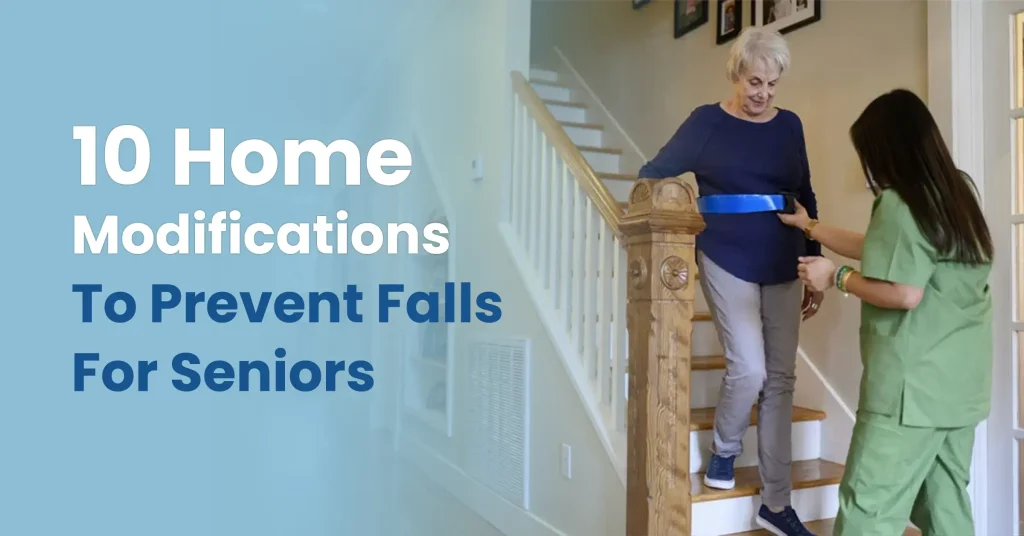
Home should be your safest place. For many seniors it becomes surprisingly dangerous. Falls present a serious threat to older adults. They can lead to broken hips head injuries and lost confidence. The fear of falling often limits activities and independence. Most falls occur inside the house. The good news is they are largely preventable. Simple changes create significant protection. You can build a secure environment for aging in place. These home modifications for elderly can prevent falls. They protect your health and preserve your freedom.
This guide presents ten practical strategies. These senior home modifications target common household hazards. You will learn exactly how to prevent falls in elderly at home. We focus on achievable and often affordable solutions. You need not rebuild your entire house. Thoughtful adjustments deliver important safety benefits. Let us explore how to fortify your home today.
• Critical Safety Zones: Bathroom and Stairs •
• Simple Fixes for Major Impact •
1. Install Grab Bars and Handrails
Grab bars provide crucial support in bathrooms. They offer stability in slippery wet areas. Never use towel racks for support. Those fixtures cannot hold body weight. Install grab bars inside the shower and near the toilet. Secure them properly into wall studs for maximum strength.
Handrails are vital for all staircases. They should accompany both sides of the stairway. Choose a shape that feels comfortable to grip. The railing must extend the whole stair length. This simple addition provides balance and reassurance.
2. Improve Lighting
Poor lighting creates dangerous shadows that hides obstacles. It’s a major contributor to indoor falls. Enhance brightness in every room. Pay special attention to hallways and stairs. Install stronger bulbs in dim areas.
Place night lights in bedrooms and bathrooms. Motion-activated lights offer wonderful convenience. They illuminate your path during nighttime movements. Ensure light switches are easy to reach from every doorway. Good visibility is your first defense against falls.
3. Secure and Remove Loose Rugs
Loose area rugs are a leading tripping hazard. Their edges can curl without warning. Non-slip backing offers only temporary help. The safest choice is removing these rugs completely. If you keep a rug use a quality non-slip pad beneath it.
Select pads made for your floor type. Check for any wrinkles or folds. Ensure all carpeting is firmly attached with floor. A flat stable surface is safest for walking.
4. Create Clear and Clutter-Free Pathways
Walkways must remain free of obstructions. Common household items can become dangerous obstacles. Keep floors clear of electrical cords and clutter. Arrange furniture to create wide easy paths. Maintain clear routes between frequently used rooms.
Give extra attention to hallways and entryways. Avoid storing items on the floor in these areas. Develop the habit of putting things away immediately. A tidy home naturally supports safer mobility.
5. Apply Non-Slip Surfaces in Wet Areas
Bathrooms and kitchens are the most slippery places. Water on hard surfaces creates significant risk. Put non-slip adhesive strips to shower floors. You can also take a non-slip bath mat. Mats with reliable rubber tips are best to prevent falls.
Consider non-slip treatments for hard surface floors. A stable shower chair provides additional security. These surfaces offer essential traction underfoot. They dramatically reduce the chance of a dangerous slip.
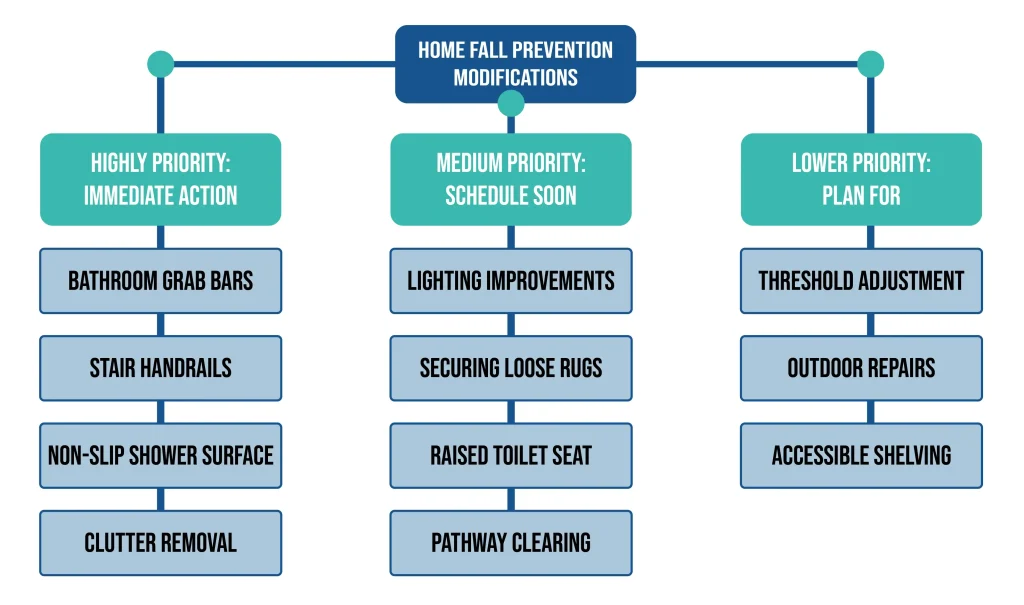
Home Safety Modification Priority Chart
6. Choose the Right Mobility Aid
Mobility aids provide stability and confidence. Selecting the correct device depends on your strength and needs. You can take advice from physical therapist. They assess your balance strength and specific needs. The right aid reduces fall risk significantly.
• Standard Walker: Provides maximum stability with four contact points. Ideal for those with poor balance. It must be lifted for movement.
• Rollator Walker: Features four wheels and hand brakes. Often includes a seat for rest. Excellent for those who need continuous support.
• Walking Cane: Offers lightweight support for minor balance issues. A quad cane provides a broader base. Useful for navigating smaller spaces.
Using a properly fitted aid is essential. Incorrect height can cause poor posture and falls. Your therapist will ensure the device fits you perfectly.
7. Make Stairs Completely Safe
Stairs demand careful attention. Each step needs clear visibility. Apply bright non-slip tape to each stair edge. This defines the step boundary effectively. Ensure stair carpets are secure and in good condition.
Verify that all steps have uniform height and depth. Keep stairs completely free of objects. The area must have excellent lighting. Always use the handrail on every trip.
8. Upgrade the Bathroom for Maximum Safety
The bathroom deserves special focus. A standard toilet may be too low for comfort. Installing a raised toilet seat makes sitting easier. It requires less effort to stand up again. Add a shower chair for seated bathing.
Consider a walk-in shower or transfer bench. A hand-held showerhead provides greater control. These changes make a hazardous room much safer. They encourage independence in daily personal care.
9. Level Out Thresholds and Doorways
Small floor height changes can cause trips. Doorway thresholds frequently create hazards. You can minimize these tripping points easily. Use transition strips to build a gentle ramp. Find these supplies at any hardware store.
Another option is removing the raised threshold completely. Ensure no awkward steps exist between rooms. Smooth floor transitions are much safer. This is particularly important for walker users.
10. Maintain Outdoor Walkways
- Inspect outdoor paths for cracks and uneven surfaces.
- Repair damaged area.
- Keep walkways clean and clear.
- Use strong handrails or walking stick.
- Keep the area visible.
A Final Word on Confidence and Independence
These home modifications for elderly individuals represent smart investments. They invest in safety independence and peace of mind. You need not complete every change immediately. Begin with the most critical areas like bathrooms and stairs. Then gradually address other parts of your home.
Understanding how to prevent falls at home is empowering. It reduces fear and promotes active living. Your home can remain both comfortable and secure. Take these proactive steps today to protect your future. Your independence deserves this thoughtful protection.
FAQs: Preventing Falls at Home for Seniors
1. How can I prevent falls at home?
Implement safety modifications at your home.
2. What are the best home modifications for safety?
Apply mats and grab bars in bathrooms. Add handrails on stairs, improve lighting and make kitchen accessible.
3. Are throw rugs dangerous for seniors?
Yes loose rugs can slip. Remove them or use non-slip pads.
4. Where should I put grab bars?
Install them in showers and near toilets. Make sure they’re fixed.
5. What type of lighting prevents falls?
Use bright bulbs in hallways and stairs. Add motion-sensor night lights.
6. What bathroom changes should I consider for safety?
Use a shower chair and non-slip mat. Consider a raised toilet seat.
7. Should I rearrange my furniture?
Yes create clear wide pathways. Remove obstacles that might hurt you.
8. What outdoor areas need attention?
Repair cracked walkways. Also, Keep paths clear of leaves and ice.
9. How can kitchen safety be improved?
Keep your kitchen dry and clean. Make necessary items accessible.
10. Are mobility aids helpful for fall prevention?
Yes, walkers and canes provide extra stability.
11. What are early signs of fall risk?
Difficulty with balance or unsteady walking. Holding onto walls for support.
12. Should I wear special shoes at home?
Yes, you should wear non-slip shoes.
13. What emergency devices can help in case of a fall?
Medical alert system need to be considered. Wear the button at all times.
14. Where can I get help with home modifications?
Contact local aging services. Some offer free safety assessments.